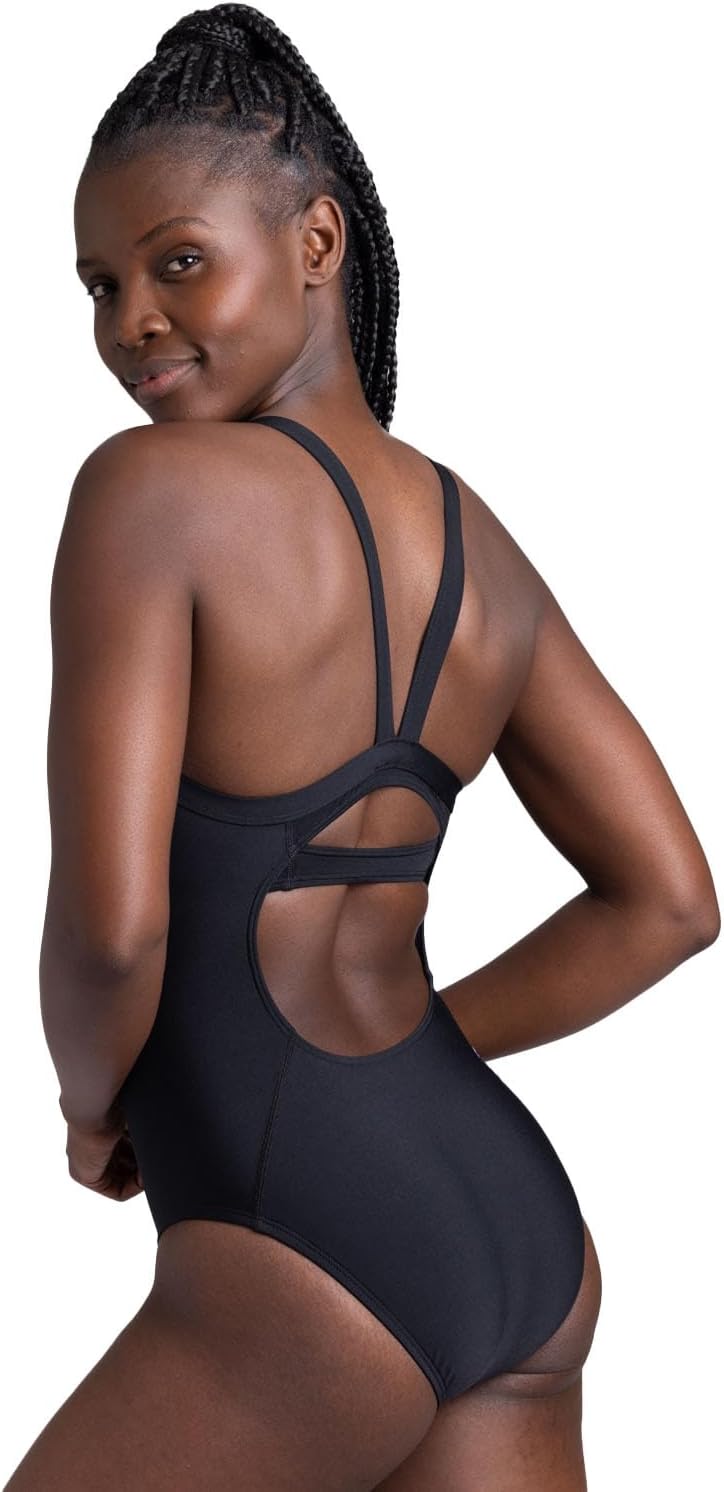
If you’ve ever stood in a swimwear aisle holding two suits — one built for actual yardage, one made from recycled materials — and wished desperately you could find both in the same garment, welcome. You’re not being unreasonable. You’re just looking at a market that, until recently, treated performance and sustainability as separate conversations. This guide is for the swimmer who does real laps (we’re talking flip turns, pace clocks, chlorine twice a week) and who also wants to know what their suit is made of and whether those materials hold up to scrutiny the same way they hold up to a 2,000-meter set. We’ll break down the fabrics that actually matter, name the certifications worth trusting, compare the tradeoffs honestly, and land on a clear decision framework so you can commit to a suit — not just research one indefinitely.
| EDITOR'S PICK[Seafolly Active Cap Sleeve Mail…](https://www.amazon.com/dp/B098KWZ5R3?tag=greenflower20-20) | Mid-tier[JOLYN Caroline Women's Athletic…](https://www.amazon.com/dp/B0CZS4L119?tag=greenflower20-20) | Budget pick[baleaf Women's Racerback Athlet…](https://www.amazon.com/dp/B0734JDW43?tag=greenflower20-20) | |
|---|---|---|---|
| Lining | — | Shelf bra | — |
| Strap style | Cap sleeve | — | Racerback |
| Size range | 6 | 34 | Medium |
| Price | $147.10 | $72.00 | $34.98 |
| See on Amazon → | See on Amazon → | See on Amazon → |
Why “Eco” and “Athletic” Have Been Hard to Reconcile — Until Now
Here’s the honest context: most high-performance swimwear has historically leaned on virgin nylon or polyester — synthetic fibers (meaning they’re derived from petroleum, not plants) that resist chlorine degradation better than almost anything else. Organic cotton, which sustainability-focused brands love, is wonderful for a beach coverup and a disaster in a lap pool. It absorbs water, loses its shape, and won’t survive a season of chlorine exposure.
So the tension is real. Athletic performance demands fabric that is dense, fast-drying, form-retaining, and chlorine-resistant. Sustainable sourcing demands materials with lower chemical inputs, responsible manufacturing, and ideally recycled or renewable content. For years, those two lists of requirements didn’t overlap cleanly.
What changed: regenerated materials. ECONYL — the trade name for regenerated nylon produced by the Italian company Aquafil — turned that calculus around. It’s nylon (the same family of fiber as traditional performance swimwear) made from pre- and post-consumer waste: discarded fishing nets, old carpeting, fabric scraps from manufacturing. Per Textile Exchange’s Preferred Fiber & Materials Market Report 2024, regenerated nylon like ECONYL requires significantly less water and energy than virgin nylon production and diverts waste from landfills and oceans. The chlorine resistance profile is comparable to virgin nylon — which is what makes it viable for actual lap swimming, not just aesthetic wellness.
That’s the baseline. Now let’s talk about what to actually look for.
The Fabric Tradeoffs, Named Honestly
ECONYL (regenerated nylon) — the performance-sustainability sweet spot
For lap swimmers, this is the material most worth understanding. Owners of ECONYL-based suits consistently report durability comparable to conventional performance suits across a full season of chlorine use, and the sustainability credentials are verifiable. The tradeoff: ECONYL suits typically land in the $80–$180 range, and not every brand that uses the word “sustainable” is actually using certified ECONYL versus cheaper generic recycled nylon blends. Ask for the percentage — quality athletic suits will often be 78–80% ECONYL with the remainder being elastane (spandex) for stretch and recovery. That elastane component is still virgin synthetic in most cases; fully recycled stretch fibers remain a work in progress across the industry, as Business of Fashion’s materials coverage in 2025 noted.
Recycled polyester (rPET) — good for lifestyle, less proven for performance
Made from recycled plastic bottles, recycled polyester (rPET) is widely used in eco-activewear and is legitimate from a sustainability standpoint. The issue for lap swimmers: polyester’s chlorine resistance is generally lower than nylon’s. Reviewers and owners of rPET-heavy suits in competitive swim contexts frequently note pilling and fabric degradation faster than with nylon-family suits. Fine for open-water swimming, beach days, or occasional pool use. If you’re logging 3+ swims per week in a chlorinated pool, prioritize nylon-family fibers.
Virgin performance nylon/polyester (Lycra XTRA LIFE, Speedo Endurance+) — the chlorine bunker
The conventional benchmark. Brands built for competitive swimmers have proprietary fabric technologies that, per their published spec sheets, can resist chlorine degradation for 10x longer than standard swimwear fabrics. These are still petroleum-derived virgin synthetics with no recycled content and minimal supply-chain transparency — but their durability argument is legitimate. The sustainability tradeoff is real and worth naming.
By the numbers: quick-reference comparison
| Fabric | Chlorine resistance | Recycled content | Certification available | Price tier |
|---|---|---|---|---|
| ECONYL (regen. nylon) | High | Yes (waste-stream) | bluesign, OEKO-TEX | $80–$180 |
| rPET (recycled polyester) | Moderate | Yes (plastic bottles) | OEKO-TEX, GRS | $50–$120 |
| Virgin performance nylon | Very high | No | Varies | $60–$200 |
| Organic cotton blend | Low | No (but natural) | GOTS | Not pool-suitable |
Certifications That Actually Mean Something Here
Not all certification logos carry equal weight in the swimwear context. Here’s what the relevant ones actually verify — and what they don’t.
OEKO-TEX STANDARD 100 certifies that every component of a finished textile — fabric, thread, buttons, dyes — has been tested for harmful substances and meets human-ecological safety thresholds. Per OEKO-TEX’s published standard overview, it doesn’t certify environmental production practices or recycled content claims — it certifies that what’s in contact with your skin isn’t going to harm you. Still meaningful. Still worth looking for on a suit you’re wearing for an hour at a time.
bluesign is the certification most relevant to sustainable performance fabric. Bluesign’s published standard evaluates chemical inputs, resource efficiency, and worker safety at the mill level — meaning the fabric itself was produced under vetted conditions. As Good On You’s brand rating methodology notes, bluesign is one of the stronger upstream production credentials precisely because it verifies the manufacturing process, not just the end product. Brands like Girlfriend Collective and some Patagonia lines carry bluesign fabric certification.
GRS (Global Recycled Standard), administered by Textile Exchange, verifies that recycled content claims are accurate and that a basic chain of custody exists. If a brand says “made from 78% recycled nylon,” GRS is what makes that claim auditable rather than marketing copy.
What’s notably absent from most performance swimwear: GOTS (Global Organic Textile Standard), which is the gold standard for organic natural fibers, is largely irrelevant here because GOTS-certified materials (organic cotton, organic linen) don’t perform in chlorinated water. If you see a swimwear brand leading with GOTS certification, it’s either for a cover-up product or a signal that the brand’s performance credentials deserve more scrutiny.
Per Ecocult’s sustainable swimwear guide, the most trustworthy positioning combines material transparency (exact fiber percentages, named certification), some form of mill-level accountability (bluesign or equivalent), and realistic claims about what the material can and can’t do.
Brands and Products Worth Knowing in This Space
We’re not going to pretend every brand at every price point has solved this. But a few are doing the work honestly.
Patagonia remains one of the few brands in the performance-swim adjacency that publishes its supply chain with the kind of specificity that holds up to scrutiny. Their worn-wear philosophy and recycled nylon use are well-documented. The athletic suit options are functional rather than fashion-forward, and Good On You’s brand ratings consistently place them among the leaders in transparency. Price: $80–$120 range.
Girlfriend Collective uses ECONYL and bluesign-certified fabrics and has been relatively clear about fiber sourcing. Their aesthetic is modern and the fit reviews from owners are consistently positive for active use. Price point: $68–$98 for most suits.
Vitamin A Swim uses ECONYL across its collection and positions squarely at the premium tier ($130–$200+). The brand’s sourcing notes are more detailed than most, and the construction quality reflects the price. For the buyer who wants a suit that transitions between serious swim sessions and resort, this is a credible option.
Speedo and TYR — the conventional performance benchmarks — have made moves toward recycled-content fabrics in recent years, though with less certification transparency than the above. Their chlorine-resistance performance data is well-established and their suits remain the reference point that eco-options are measured against.
For intermediate buyers building a considered capsule, our recommendation is to anchor on one ECONYL-certified suit from a brand with bluesign or GRS credentials for your primary training suit, and treat it as a 2–3 season investment rather than a seasonal replacement.
[PRODUCT: athletic eco one-piece ECONYL lap swimmer mid-tier $80-$130]
[PRODUCT: premium sustainable athletic one-piece ECONYL bluesign $150-$200]
The Decision Framework: If X, Then Y
You’ve absorbed the tradeoffs. Here’s how to close.
If you swim 3+ times per week in a chlorinated pool: Prioritize ECONYL over rPET. Regenerated nylon’s chlorine resistance is the credible performance argument for eco-minded lap swimmers. Budget $90–$160 for a suit that will last 18–24 months of real use. The cost-per-session math favors the investment over buying two cheaper suits in the same period.
If you swim primarily open water or saltwater, with occasional pool sessions: rPET suits are a reasonable choice. The lower chlorine stress means the degradation timeline is less aggressive, and you gain access to a wider range of brands and price points ($50–$110).
If certification transparency is non-negotiable for you: Look for bluesign on the fabric (not just the brand) plus GRS or OEKO-TEX on the finished product. Brands that list specific certifications by product SKU rather than at the brand level are showing you real accountability.
If chlorine resistance trumps all other considerations: Virgin performance fabrics (Lycra XTRA LIFE or equivalent) remain the benchmark. Consider it a conscious tradeoff, not a failure — using one high-performance suit that lasts five years is a better environmental outcome than cycling through four cheaper eco-branded suits that degrade quickly.
If you’re buying for a client or editorial capsule: ECONYL plus bluesign certification, mid-to-premium price tier, from a brand with published supply-chain notes is the defensible recommendation. It holds up both stylistically and ethically when a client asks the follow-up question.
The market in 2026 has genuinely good options at the intersection of real athletic performance and accountable sourcing — more than existed even three years ago. The key is knowing what the certifications actually verify, being honest about what your specific use case demands, and not letting “sustainable” marketing language substitute for actual spec scrutiny. Do that homework once, commit to a suit, and then go swim.