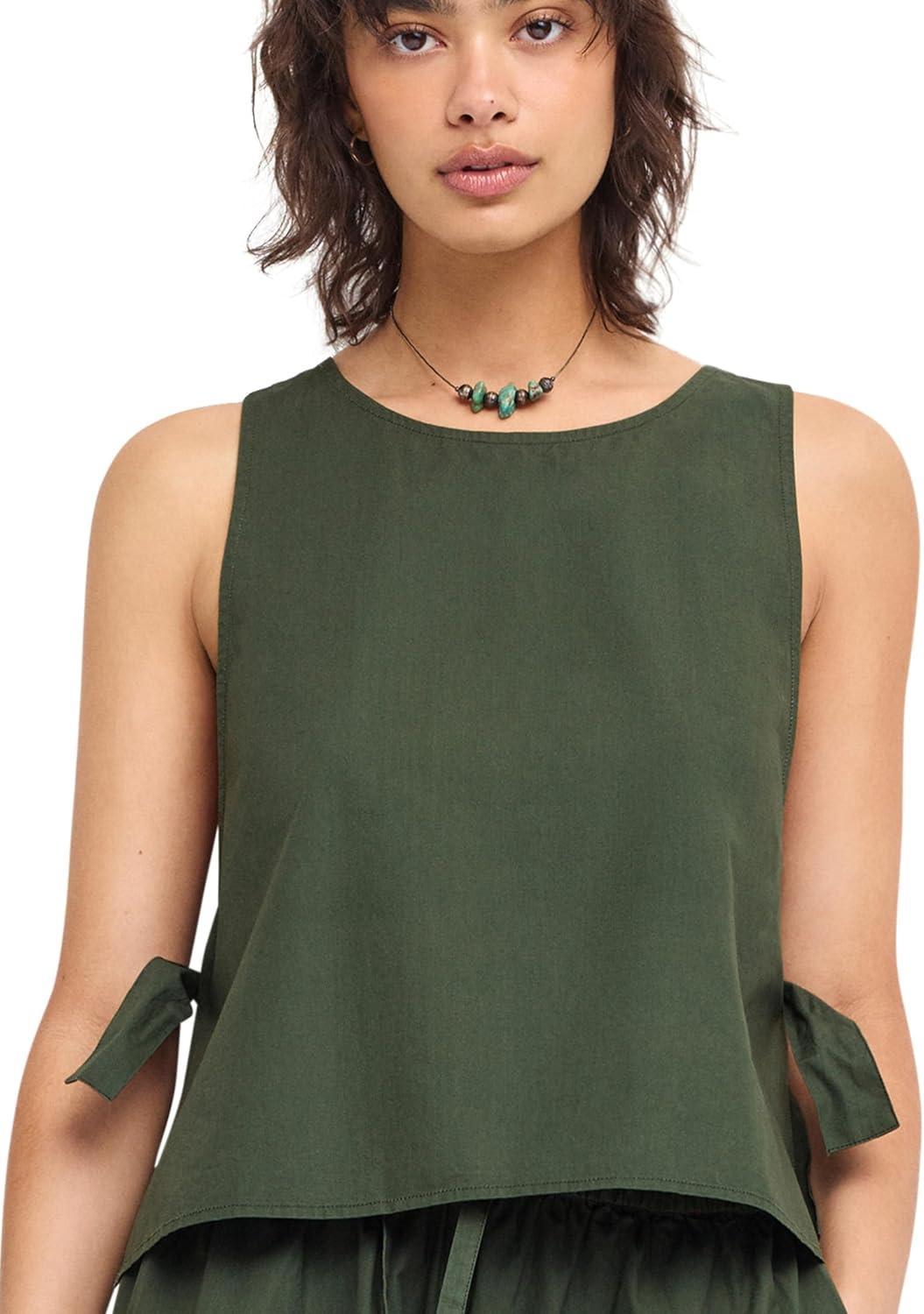
You spent somewhere between $150 and $280 on a swimsuit — maybe a Vitamin A one-piece in ECONYL regenerated nylon, maybe a Patagonia recycled-polyester bikini with a bluesign certification attached to it. Those certifications matter: ECONYL means the fabric was made from rescued ocean waste and fishing nets rather than virgin petroleum; bluesign means the factory met strict chemical and water-use standards during production; GOTS (Global Organic Textile Standard) means the cotton in the weave was grown and processed without synthetic pesticides or harmful dyes. You did the homework. And then you grabbed a $22 gauze pareo from a rack at the airport because you needed something to walk to lunch in — and quietly set down everything you just stood for.
That’s the gap we’re here to close. A cover-up is not an afterthought; it’s the piece you’re actually wearing for most of your resort day. If it’s made from conventional synthetics finished with azo dyes, or if the brand has no disclosed supply chain, it drags your whole kit back toward the fast-fashion end of the spectrum. This guide breaks down how to evaluate cover-ups with the same rigor you applied to your suit — and specifically what Vitamin A and Carve Designs actually deliver when you move from their swimwear into their ready-to-wear and cover-up lines.
Why Cover-Ups Are Where Eco-Swim Shoppers Most Commonly Slip
Here’s the pattern we see repeatedly: a buyer researches swimwear certification for weeks, commits to a premium brand, and then treats the cover-up as a commodity grab. The logic is understandable — cover-ups feel lower-stakes because they’re not in the water, so the performance argument for recycled materials feels weaker. But the environmental calculus doesn’t change because the garment stays dry.
Ecocult’s guide to greenwashing in resort wear flags exactly this vulnerability: brands will promote their hero swim pieces with certification language while quietly offering cover-ups in undisclosed polyester blends or conventional linen with no traceability. The Business of Fashion sustainability transparency index methodology notes that supply-chain disclosure often drops sharply when brands move from core categories (swimwear, activewear) into accessories and outerwear — cover-ups sit in that same gray zone.
The materials tradeoffs you need to understand going in:
Conventional linen or cotton cover-ups look natural and photograph beautifully, but unless they carry GOTS certification or an equivalent organic standard, the cotton supply chain is likely using synthetic pesticides and water-intensive conventional growing practices. Textile Exchange’s Preferred Fiber and Materials Report 2024 puts conventional cotton at roughly 2.5% of global pesticide use despite occupying less than 3% of farmland — disproportionate impact.
Conventional polyester and nylon cover-ups are the worst-case scenario from a values standpoint: virgin fossil-fuel feedstock, typically no chemical certification, shedding microplastics in every wash, and no end-of-life pathway.
Recycled or ECONYL-based cover-up fabric aligns cleanly with most premium swim brands’ existing material stories but is rare at the cover-up price points buyers expect ($60–$120). When you find it, the cost premium is real but defensible.
OEKO-TEX Standard 100 certified fabrics — where every component including thread and dye has been tested for harmful substances — represent the minimum acceptable bar for a buyer at this tier, even if the fiber itself isn’t recycled or organic. OEKO-TEX’s certification overview makes clear this is a human-safety standard, not an environmental one; it’s a floor, not a ceiling.
Vitamin A Cover-Ups: What the Brand Delivers Past the Swimwear Aisle
Vitamin A is a Southern California brand that has built a genuine reputation at the $150–$280 swim tier by centering ECONYL and EcoLux fabric (their proprietary blend of regenerated nylon with LYCRA XTRA LIFE) across their core swim line. Good On You’s brand rating for Vitamin A acknowledges the material story but flags ongoing gaps in supplier-list disclosure and living-wage verification — important context for buyers who weight labor alongside environmental claims.
The more relevant question for this guide: does the brand maintain the same material standards when you move into their cover-up and resort pieces?
The honest answer is: mostly, with meaningful caveats. Vitamin A’s cover-up line leans heavily on organic cotton styles — caftans, sarongs, and lightweight shirting — and a portion of that cotton carries GOTS or organic certification with documentation accessible through their site. However, reviewers who have audited the line note that not every cotton cover-up is explicitly certified; some are described as “sustainable cotton” without third-party backing, which is exactly the kind of soft language Ecocult flags as a greenwashing signal. Our recommendation is to filter specifically for pieces where the product page cites GOTS or a named organic standard — those exist in the range, but buyers shouldn’t assume every Vitamin A cotton piece carries that credential.
Where Vitamin A cover-ups genuinely earn their place alongside the swimwear investment: their ECONYL-based cover-up pieces (lightweight mesh over-dresses and recycled-nylon beach shirts appear across recent collections) maintain complete material continuity with the swimwear beneath. If you’re building a coherent eco-capsule for a resort week, matching your Vitamin A suit with one of their ECONYL cover pieces is the cleanest alignment — same fiber story, same certification tier, same brand supply chain.
By the numbers — Vitamin A cover-up tier:
- ECONYL / recycled-nylon cover-ups: $90–$145 | cleanest material story
- GOTS-certified organic cotton cover-ups: $75–$120 | strong, verify certification on product page
- “Sustainable cotton” unlabeled pieces: $60–$95 | proceed with scrutiny
Carve Designs: A Different Material Approach Worth Understanding
Carve Designs sits at a slightly lower price point than Vitamin A — their swimwear lives mostly in the $70–$120 range — but they’ve built a genuinely differentiated supply-chain story, particularly around recycled and bluesign-certified fabrics. Good On You’s rating for Carve Designs credits the brand for material transparency, particularly in their recycled-nylon swim line, and for publishing factory-level information that many brands at this tier don’t surface.
Their cover-up line is where the comparison gets interesting. Carve Designs has invested in recycled-polyester cover-ups — lightweight woven beach shirts, pull-on pants, and longer dresses — at price points that typically land $20–$40 below equivalent Vitamin A pieces. For buyers whose priority is recycled-fiber continuity across the whole kit, Carve often delivers that at a more accessible price. The tradeoff: their aesthetic codes run more toward surf-utilitarian than resort-luxury, which matters if you’re building a cover-up capsule for a higher-end destination or editorial context.
One area where Carve Designs genuinely outperforms many competitors: their care and end-of-life documentation. Reviewers and sustainable-fashion editorial sources including coverage in Ecocult consistently note that Carve provides specific washing guidance (cold water, Guppyfriend bags for microplastic capture) and garment-return information — details that signal a brand thinking past the point of sale. For the buyer who treats a cover-up as a multi-season investment rather than a single-trip piece, that documentation infrastructure has real value.
What to Skip — and the Red Flags That Make It Easy
The practical decision frame for buyers at this tier isn’t “which brand is perfect” — it’s “which red flags disqualify a piece immediately.” Here’s the fast filter:
Skip if: The cover-up fabric is described only as “polyester” or “nylon” with no recycled-content claim, no OEKO-TEX certification, and no bluesign mention. Virgin synthetic at this price tier is indefensible.
Skip if: The brand uses terms like “eco-friendly,” “sustainable,” “conscious,” or “planet-friendly” on product pages without linking those terms to a named standard or certification. Business of Fashion’s transparency methodology identifies this as the most prevalent form of soft greenwashing in resort-wear marketing — aspirational language with no verification pathway.
Skip if: The cover-up is priced dramatically below the rest of the brand’s line with no explanation. A $28 “linen” cover-up from a brand selling $200 suits is almost always a margin-recovery piece sourced outside the brand’s primary supply chain.
Skip if: The brand cannot tell you which facility made the cover-up, even at a country-of-origin level. OEKO-TEX’s certification framework requires facility-level documentation; a brand that won’t disclose even this doesn’t clear the minimum bar.
Consider despite imperfection if: A cover-up carries OEKO-TEX Standard 100 certification on a conventional cotton or linen body. It’s not the highest possible standard, but it’s third-party verified, meaningful for human-health safety, and a genuine signal of process discipline. At the mid-tier ($70–$110), this is often the best available credential.
The Decision Rule
If you invested in a premium eco-swim piece at $150 or above, here’s the framework that makes the cover-up decision straightforward:
If you want full material continuity (same recycled-fiber story all the way through), prioritize Vitamin A’s ECONYL cover-up pieces or Carve Designs’ recycled-polyester line, and verify certification on the specific product page rather than trusting brand-level halo claims.
If organic cotton aesthetics are the priority (caftans, sarongs, lightweight shirting), Vitamin A’s GOTS-certified cotton pieces are the strongest option at this tier — but filter explicitly for the GOTS label, not just the brand’s general sustainability messaging.
If budget is tightening after the suit investment and you need a cover-up under $80, Carve Designs’ recycled-fabric options provide the strongest certification-to-price ratio in this segment, with the caveat that the aesthetic skews casual.
If a brand at any tier can’t show you a named certification or a recycled-content percentage for the specific cover-up you’re considering — not for the brand generally, not for their swimwear, but for this piece — treat it as conventional and price it accordingly in your values calculus. The cover-up is where the eco-swim story either holds together or quietly unravels. Your suit deserves a partner that can keep up.