Most certification labels in sustainable fashion are easier to collect than to explain. If you’ve been circling the eco-swim space for a year or so, you’ve already seen GOTS on hangtags and product listings, probably alongside OEKO-TEX, bluesign, and ECONYL — a small alphabet soup that can feel like it’s designed to confuse rather than clarify. Here’s the plain-language version: GOTS stands for the Global Organic Textile Standard. It’s a third-party certification that follows an organic fiber — most often cotton — from the farm where it’s grown all the way through dyeing, finishing, and the final product. It’s one of the most rigorous end-to-end certifications in fashion, and it’s also, counterintuitively, one of the most accessible entry points for shoppers who want to spend consciously without committing to a $220 recycled-nylon suit right out of the gate. This guide explains what GOTS actually certifies, how it stacks up against the other credentials you’ll encounter, and which organic-cotton swimwear and underwear picks are worth your attention at the $25–$80 price band.
What GOTS Actually Certifies (and What It Doesn’t)
Let’s be precise, because this is where a lot of “eco” content gets sloppy.
GOTS certification requires that a minimum of 70% of the fiber content is certified organic (the “made with organic” tier) or 95%+ organic for the full GOTS label. More importantly, it doesn’t stop at the fiber. Per the Global Organic Textile Standard Version 7.0 documentation, the standard covers the entire post-harvest processing chain — spinning, knitting or weaving, dyeing, finishing — with strict prohibitions on a long list of synthetic inputs including many azo dyes, formaldehyde, and heavy metals. Social criteria are baked in too: fair wages, safe working conditions, and no child labor are all audited requirements, not brand promises.
That last piece is what distinguishes GOTS from a simple “organic cotton” claim you might see on an Amazon basics listing. Any brand can print “made with organic cotton” on a label. Only brands whose entire supply chain has been independently audited and certified can use the GOTS mark. The Textile Exchange’s Preferred Fiber & Materials Market Report 2024 notes that global organic cotton fiber production has grown steadily, but GOTS-certified finished goods remain a much smaller subset — supply-chain auditing is genuinely expensive and operationally demanding, which is part of why the label carries weight.
What GOTS doesn’t cover: performance finishing. If a garment has a chlorine-resistant coating, UV-blocking treatment, or stretch added via a synthetic fiber blend (common in swimwear), those processing steps are evaluated under GOTS criteria for chemical safety — but GOTS isn’t a swimwear-performance standard. Expect GOTS organic cotton picks to skew toward lifestyle swimwear, coverups, beach-casual cuts, and loungewear-adjacent underwear rather than high-performance technical suits.
GOTS vs. OEKO-TEX vs. ECONYL: The Decision Frame You Actually Need
Here’s the comparison that intermediate buyers get wrong most often: treating these certifications as interchangeable “eco” badges when they’re measuring completely different things.
By the numbers — what each standard audits:
| Certification | Fiber origin | Processing chain | Social criteria | End-product chemical safety |
|---|---|---|---|---|
| GOTS | ✅ organic fiber required | ✅ full chain audit | ✅ required | ✅ included |
| OEKO-TEX STANDARD 100 | ❌ not audited | ❌ not audited | ❌ not included | ✅ primary focus |
| bluesign | ❌ not audited | ✅ manufacturing only | Partial | ✅ included |
| ECONYL® | ✅ (recycled nylon origin) | Partial | ❌ not audited | ❌ not primary |
Per OEKO-TEX’s STANDARD 100 explainer at oeko-tex.com, their label certifies that a finished product has been tested for harmful substances at levels safe for human skin — it says nothing about where the fiber came from or whether the workers who made it were paid fairly. That’s not a criticism; it’s a different promise. A swimsuit can carry both an OEKO-TEX 100 label and GOTS certification, and that combination is meaningfully stronger than either alone.
ECONYL, the regenerated nylon that powers most premium eco-swim brands, is a recycled-material story — ocean-salvaged fishing nets and industrial waste reprocessed into a nylon yarn. It’s compelling for performance swimwear and it addresses end-of-life plastic waste, but it’s not an organic-cotton story at all. The two aren’t competitors; they serve different fiber categories and different garment use cases.
The decision rule: If you’re evaluating a brand’s supply-chain ethics holistically — farm to finished garment, including labor — GOTS is the most comprehensive single credential for natural fibers. If you’re primarily buying a technical swimsuit and want assurance it won’t off-gas irritants against your skin, OEKO-TEX 100 is the relevant check. If you’re in the premium recycled-performance tier, look for bluesign alongside the ECONYL source mark.
Where Organic Cotton Actually Makes Sense in a Swim Wardrobe
This is the practical reframe that most buying guides skip. Organic cotton is not trying to compete with ECONYL for the job of a lap-swimming suit or a high-chlorine resort piece. Cotton absorbs water, takes time to dry, and doesn’t have the stretch-recovery of nylon-elastane blends. Recommending it for those use cases would be a disservice.
Where GOTS-certified organic cotton genuinely earns its place:
Beach coverups and kaftans. This is the highest-value application. A cotton coverup worn over a recycled-nylon suit — think a loose gauze tunic or a drawstring short — doesn’t need chlorine resistance. It needs to feel good against sun-warmed skin, pack light, and look deliberate. Organic cotton excels here, and the GOTS certification means you’re not trading your recycled-nylon values for an unaudited “natural” alternative.
Lifestyle swimwear for low-impact water use. A growing category of brands makes cotton or cotton-blend suits intended for ocean swimming, lake days, or poolside lounging rather than lap swimming. These dry slower and may lose shape over seasons of heavy chlorine exposure, but reviewers across Good On You’s brand profiles consistently highlight that wearers who understand the care requirements — rinse immediately, lay flat to dry, skip the chlorine pool — report strong longevity and soft hand-feel that synthetic suits can’t match.
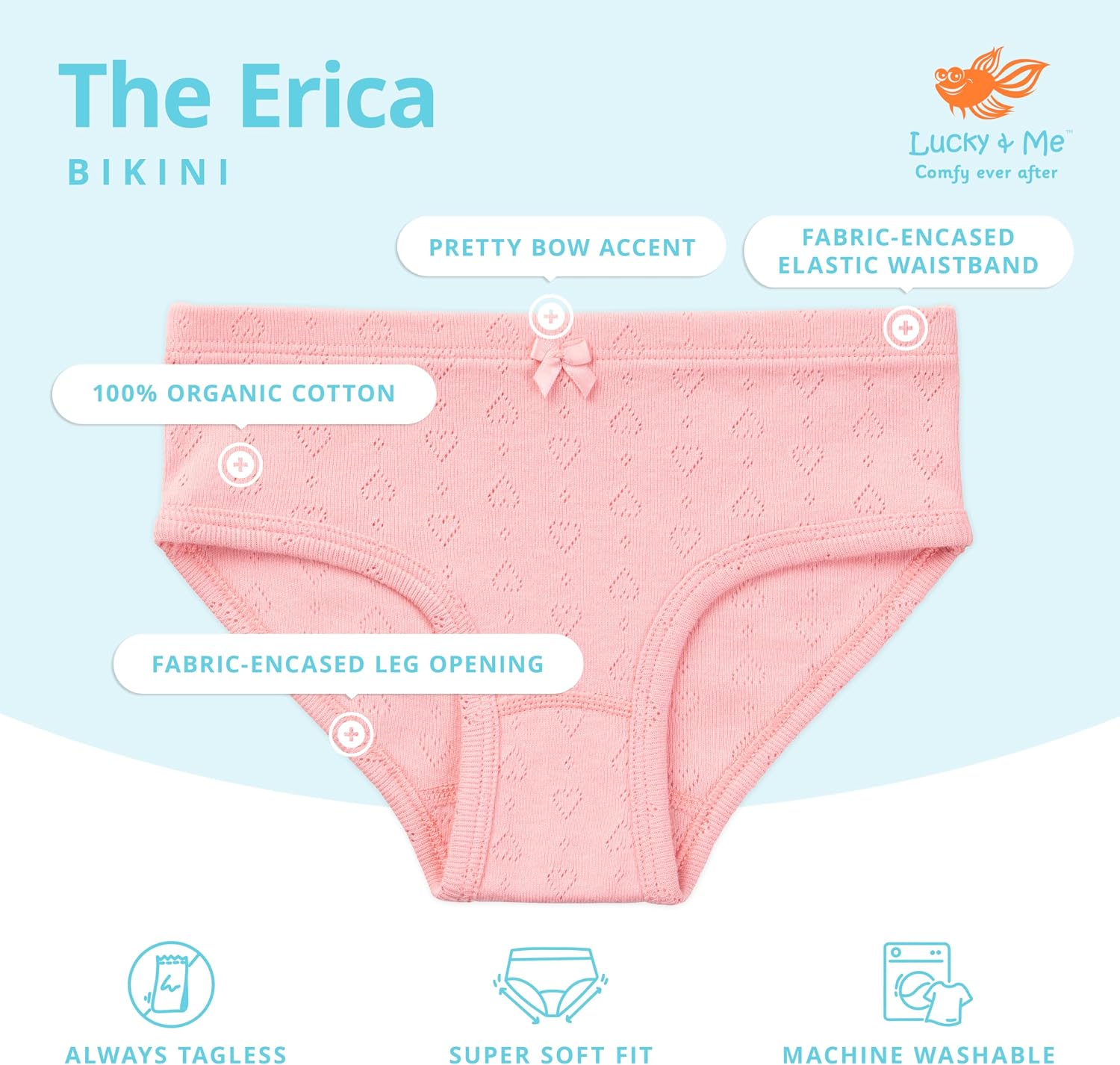
Underwear and liner pieces. GOTS organic cotton underwear sold alongside swimwear collections is arguably the clearest value proposition in this tier. The skin-contact argument is strongest for underwear; synthetic liners in swimwear are a known irritant for many wearers. Business of Fashion’s 2024 piece on organic cotton’s true cost noted growing consumer demand specifically in the underwear and intimate category, where buyers are most motivated by the “no harsh chemicals against sensitive skin” narrative that GOTS directly supports.
Picks Worth Knowing at the Entry and Mid Tiers
A quick note on editorial framing: we haven’t worn these suits ourselves, and we’re not going to pretend otherwise. What follows is drawn from published brand certifications, aggregated owner reviews, and Good On You’s brand rating methodology, which cross-references certifications, living-wage claims, and environmental practices.
Pact is the most visible GOTS-certified brand at the $25–$60 entry tier, available through their own site and on Amazon. Owners consistently report soft, true-to-size fits on their cotton basics, and the brand’s GOTS certification is publicly verifiable on the GOTS database. Their swimwear offering is modest — primarily lifestyle beach shorts and coverup pieces rather than technical suits — but for someone building a conscious capsule from the ground up, Pact underwear and beach basics represent a low-friction starting point.
Thought Clothing operates at the $50–$90 mid tier and carries GOTS certification across much of their natural-fiber range. Good On You rates them highly for transparency. Their resort-casual pieces — wrap skirts, linen-cotton cover layers — translate naturally into a beach wardrobe.
Boody works primarily in bamboo-organic-cotton blends and holds OEKO-TEX 100 alongside organic certifications. If you’re comparison-shopping at the entry tier and finding GOTS availability spotty, Boody represents a reasonable adjacent choice with strong chemical-safety credentials, though the fiber-origin story is different from a pure GOTS cotton narrative.
For the premium buyer reading this as a baseline-primer: GOTS organic cotton pieces tend to anchor the coverup and transit layer of a curated resort wardrobe rather than the suit itself. A Vitamin A or Onia recycled-nylon suit paired with a GOTS-certified cotton coverup from a smaller brand gives you best-in-class credentials across both garment types without asking a single fiber to do a job it wasn’t designed for.
The If-Then Decision Rules
We promised clear logic, so here it is:
If you’re entering sustainable fashion with a $50–$80 budget and want the most rigorous supply-chain credential per dollar, then GOTS-certified organic cotton basics — underwear, coverups, beach shorts — are your clearest path. The label does the work that “organic cotton” claims without certification do not.
If you’re a mid-tier buyer already committed to a $100–$130 recycled-nylon suit, then GOTS certification becomes most valuable as a complement: a coverup or a liner piece where natural fiber and skin-contact matters, not as a replacement for performance-oriented ECONYL pieces.
If you’re evaluating a brand’s ethics holistically for a boutique buy or editorial feature, then treat GOTS as the floor for natural-fiber claims. A brand that sources organic cotton but can’t show GOTS certification is asking you to trust their supply-chain narrative without third-party verification. The Textile Exchange’s 2024 market report is explicit that unverified “organic” claims remain widespread — the certification gap is real.
If the piece is a technical suit that will see regular chlorine exposure, then organic cotton is the wrong material regardless of certification. Look to bluesign-certified recycled nylon and let GOTS do what it’s built for.
The entry point nobody talks about isn’t a compromise. It’s a precision tool — most useful when you deploy it in the right application.